
Hero Section Composition: What Actually Captures Attention
Explore the core elements that make hero sections work. Headline placement, imagery strategy, and why negative space matters more than you think.
Read GuideLearn the proven principles behind high-converting landing pages. From hero composition to CTA placement, we’ve tested everything.

Six fundamental elements that separate effective landing pages from the rest
Visitors need to understand what you offer within 3 seconds. No vague promises. No corporate speak. Just clear, specific benefits.
Photos build trust. They show real people, real situations, real results. Stock images that feel authentic matter more than perfection.
Your call-to-action button location affects conversion rates. We’ve tested above the fold, sticky positioning, and multiple placements.
Size, color, and spacing guide the eye. Important elements stand out. Supporting details fade into background. It’s about guiding attention.
Information should unfold like a story. Problem, then solution, then proof, then action. Each section builds on the last.
Half your visitors use phones. Your page must work flawlessly on small screens. Touch-friendly buttons. Fast loading. No horizontal scrolling.
A systematic approach to understanding what works and why
We examine hero section composition first. Headline clarity, subheading support, image choice, and button prominence. The hero sets expectations for everything below.
How does the page guide visitors downward? We track visual storytelling flow. Which elements draw attention? Where do eyes move naturally? Does the layout create momentum toward action?
Button placement, button text, button color — everything impacts conversions. We’ve tested sticky CTAs, multiple buttons, and strategic repositioning. Data shows what works.
We don’t just theorize. We look at actual conversion data from hundreds of landing pages across industries. What’s the baseline? What improvements moved the needle?
You’re not building a landing page just to have one. You’re building it to convert visitors into customers, leads, or signups. Every design decision either helps or hurts that goal.
Visitors shouldn’t have to guess what you want them to do. Your page should have one primary goal and every element should support it.
Optimized landing pages load in seconds, not minutes. Faster pages mean lower bounce rates and higher conversions. Speed is a conversion factor.
Mobile traffic dominates now. A page that works beautifully on desktop but fails on mobile loses half its potential customers.
Professional design and clear communication build confidence. Visitors are more likely to convert when they trust you’re legitimate.
Search engines favor pages with good user experience. Proper structure, fast loading, and mobile optimization all boost rankings.
Most landing pages are mediocre. Following these principles puts you ahead of 80% of your competition immediately.

Real insights from analyzing over 1000 landing pages across multiple industries in Malaysia and Southeast Asia
In-depth guides covering the essential elements of conversion-focused design

Explore the core elements that make hero sections work. Headline placement, imagery strategy, and why negative space matters more than you think.
Read Guide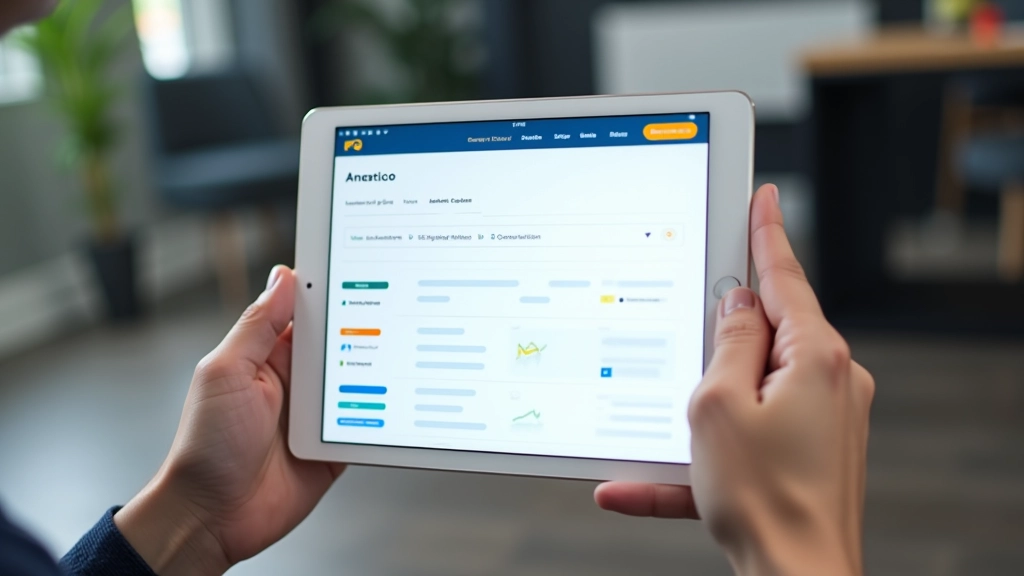
Where should your buttons go? We’ve tested above the fold, sticky positioning, and multiple placements. The data tells a clear story.
Read Guide
Your page tells a story from top to bottom. Learn how to sequence information, use imagery strategically, and keep visitors scrolling with purpose.
Read GuideWe get asked these questions often. Here’s what we’ve learned from analyzing thousands of pages.
A homepage serves multiple purposes and visitors can navigate everywhere. A landing page has one specific goal and one primary action. Landing pages convert better because they’re focused. They don’t distract visitors with navigation menus or multiple options.
Length depends on your offer complexity. Simple offers work well with shorter pages (1-2 screens). Complex products need more explanation. The key isn’t length — it’s that every word serves your conversion goal. Remove anything that doesn’t help visitors understand or decide.
Minimal navigation works best. Every link is a distraction from your primary goal. Some pages remove the navigation entirely. If you include it, keep it simple — just the essentials. Your focus should always be guiding visitors toward your CTA.
More fields mean lower conversion rates. Ask only for what you absolutely need. Start with email and name. You can ask for more information later after they’ve converted. Each additional field reduces submissions by roughly 5-10%.
Start with analytics. Where do visitors drop off? What’s your current conversion rate? Then test one change at a time — headline, button color, image, form length. Wait for statistically significant data (at least 100 conversions) before declaring a winner.
Video can work, but only if it’s relevant and well-made. A boring, poorly produced video hurts more than it helps. Autoplay video annoys visitors. If you use video, make it optional and keep the page functional without it.
You’ve learned the principles. Now it’s time to apply them. We’re here to help you create landing pages that actually convert.
Start Your Project